When a $280,000 test station arrives at its destination with a cracked enclosure because the crate failed during a forklift transfer in Frankfurt, the shipper does not blame the forklift operator. They blame the packaging company that built the crate. The replacement cost, the return freight, the production line waiting in Ontario for equipment that cannot be installed—these consequences fall on the buyer who chose the wrong crating partner. We have seen this scenario unfold more times than we can count, and it almost always traces back to the same root cause: the shipper asked the wrong questions, or asked no questions at all.
Choosing a crating company in Ottawa is not like choosing a moving company for household goods. When you are shipping servers, drones, HVAC units, or defence-related equipment, the stakes are measured in hundreds of thousands of dollars and months of project delay. The packaging company you select becomes part of your compliance chain, your production schedule, and your reputation with the customer receiving that shipment. Serious shippers treat this decision accordingly.
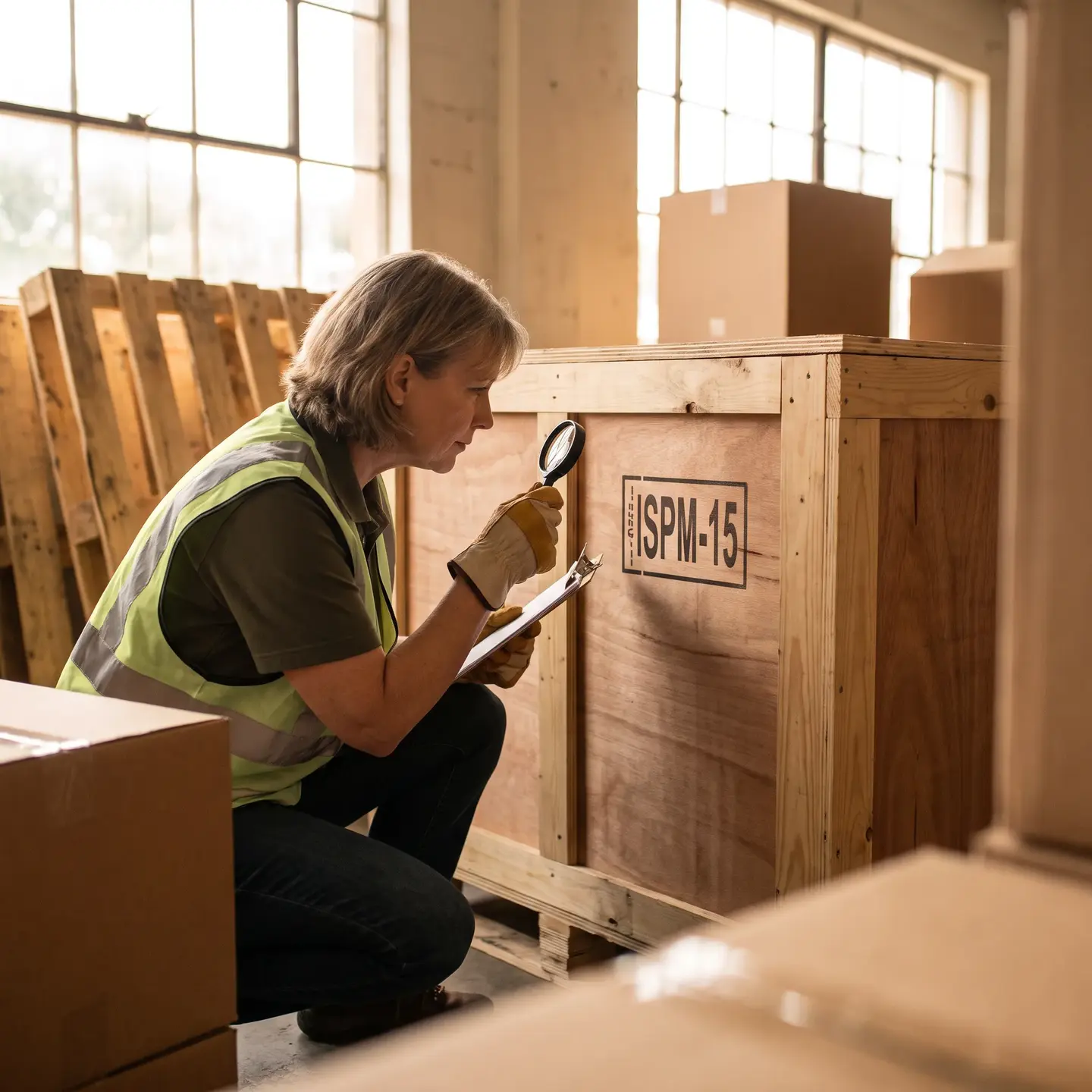
This guide walks through the questions we recommend asking any crating provider before signing a purchase order. These are the same questions our own customers ask us—and the same standards we hold ourselves to at our Ottawa crating services facility.
Who This Guide Is For—And Who It Is Not For
This article is written for procurement officers, logistics coordinators, compliance officers, and operations managers at companies shipping high-value industrial equipment. You work in defence, aerospace, high-tech, or manufacturing. Your shipments are worth enough that a single damage incident creates real financial pain. You are probably located within 90 minutes of Ottawa, somewhere in the Montreal-to-Toronto corridor, and you are researching crating providers because you have a specific project coming up or because you are tired of inconsistent results from your current supplier.
This guide is not for companies shipping consumer products in standard corrugated boxes. It is not for residential moves. If you need gift bags, ribbons, or retail packaging, the questions below will not help you.
Essential Certifications to Verify Before Hiring
Certifications separate professional crating companies from general packaging suppliers. When your crate crosses an international border, these credentials are not optional—they are legal requirements.
ISPM-15 Certification
The ISPM-15 international wood packaging standards govern solid wood packaging materials in international trade. More than 180 countries enforce these standards. If your wooden crate does not bear the proper heat-treatment stamp, customs authorities can refuse entry, fumigate your shipment at your expense, or destroy the packaging entirely.
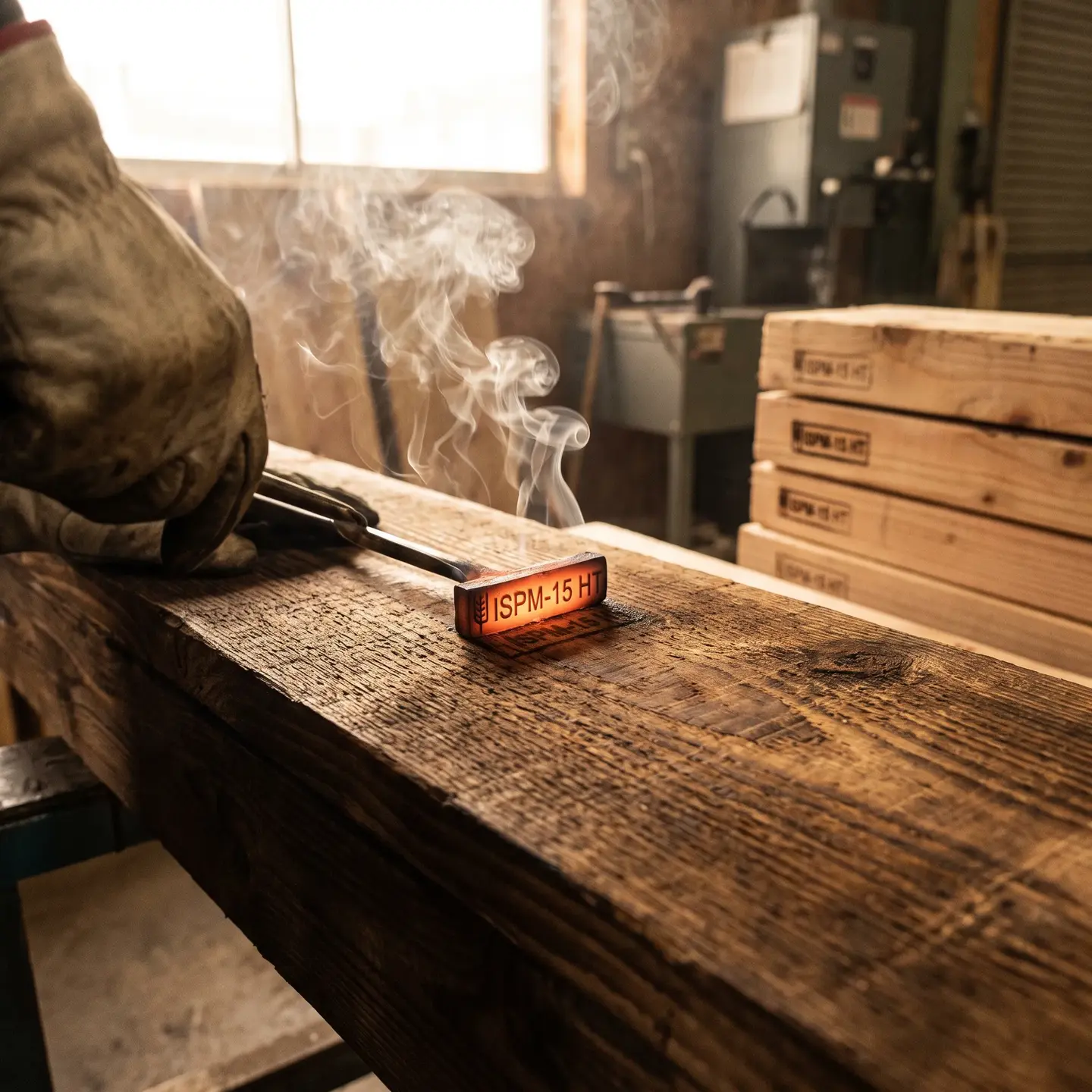
ISPM-15 requires that wood packaging be heat-treated to a core temperature of 56°C for at least 30 continuous minutes, then stamped with a mark showing the country code, facility code, and treatment type. Ask any prospective crating company:
- Are you ISPM-15 certified, and can you show your certification?
- Do you heat-treat wood in your own facility, or do you purchase pre-treated lumber?
- How do you ensure every crate receives the proper stamp on at least two opposing sides?
Companies that cannot answer these questions clearly should not be building crates for international shipments.
CWPCA Membership
The Canadian Wood Pallet and Container Association administers Canada’s heat-treatment program and maintains quality standards for wood packaging manufacturers. Membership requires documented compliance with treatment protocols and ongoing audits.
Ask whether your prospective provider is a CWPCA member in good standing. This is not a vanity credential—it indicates the company participates in the regulatory framework that keeps Canadian wood packaging accepted at international borders.
Controlled Goods Program Registration
If you ship defence-related equipment or items subject to Canada’s export controls, you need a crating company registered under the Controlled Goods Program. CGP registration means the company has been vetted to handle sensitive items tied to national security. Unregistered handlers can break the compliance chain, creating legal exposure for your organization.
We are one of the few crating companies in Ottawa registered under CGP, which is one reason defence and aerospace clients seek us out. But regardless of which provider you choose, verify their registration before handing over controlled goods. You can review our certifications and industry memberships for an example of what proper documentation looks like.
Production Capability and Capacity Questions
A beautiful crate design means nothing if the company cannot deliver it on your timeline. Production capability matters as much as technical competence.
Questions to Ask
- Do you manufacture crates in-house, or do you subcontract to third parties?
- What is your typical turnaround time for custom crates?
- Can you handle recurring production runs with consistent quality, or do you treat every shipment as a one-off?
- How do you source lumber, and what happens if material shortages occur?
- What is your maximum crate size and weight capacity?
In-house manufacturing usually means better quality control and faster response times. When a company subcontracts the actual building, they lose direct oversight of materials, construction methods, and scheduling. That does not mean subcontracting is always wrong—but you should know who is actually building your crates.
For companies with recurring shipping needs, ask specifically about production crating programs. If you ship the same equipment type monthly, you need a provider who can lock specifications, maintain consistent quality across runs, and build to a standing order rather than treating each shipment as a new project.
On-Site Service Availability
Some equipment cannot reasonably be moved to a crating facility. A 3,000-kilogram CNC machine, a clean-room server rack, or a piece of testing equipment that requires recalibration after transport—these assets need crates built around them on-site.
What On-Site Crating Involves
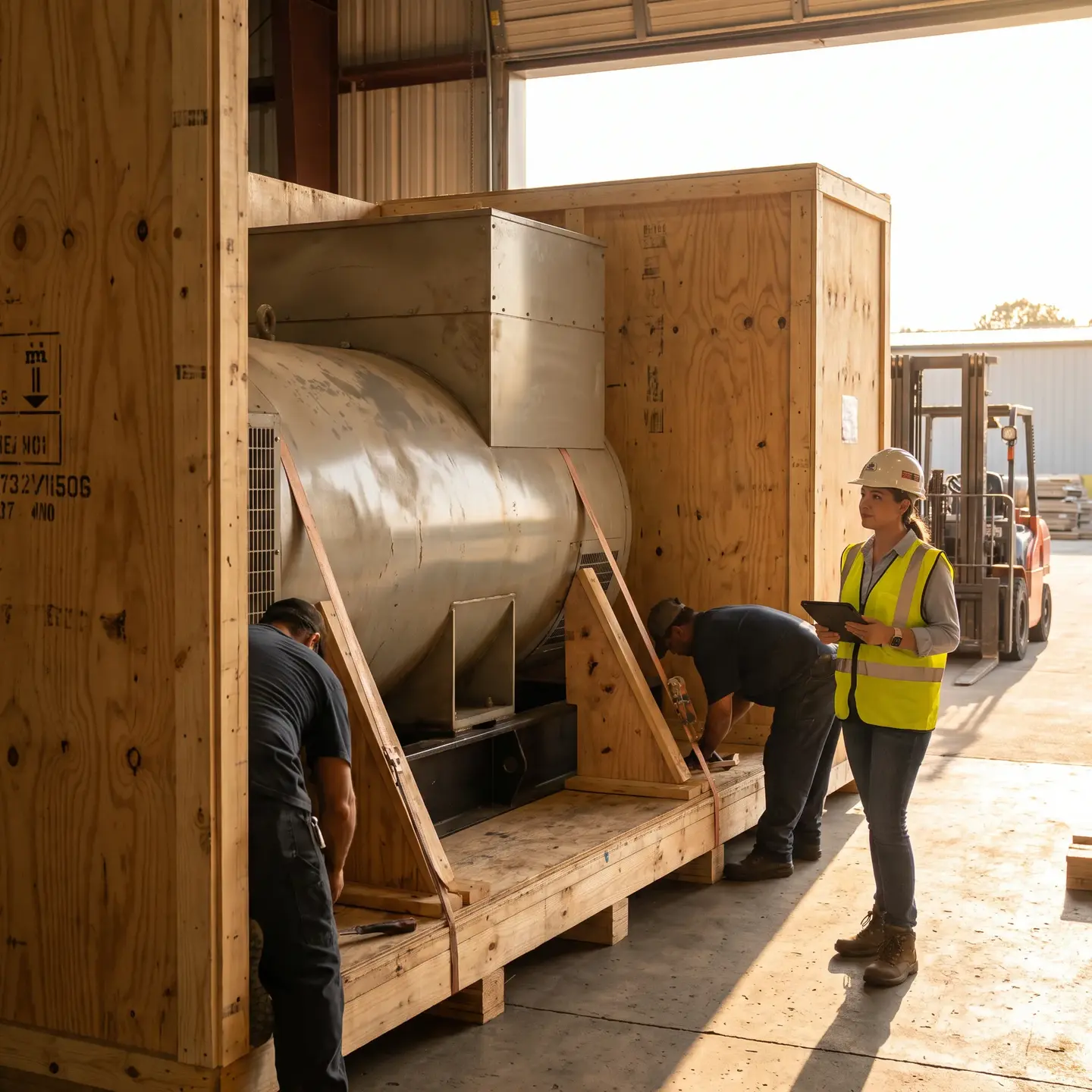
On-site crating means a crew arrives at your facility with materials, tools, and equipment. They measure the asset, build the crate around it, secure it with blocking and bracing, and prepare it for pickup—all without the equipment leaving your floor until it is protected.
This approach eliminates the risk and cost of transporting uncrated equipment across town. It also allows for precise measurement of irregular shapes and custom foam layouts that match exact dimensions.
Questions to Ask
- Do you offer on-site crating services, or only shop-based work?
- Do your crews bring their own forklifts and rigging equipment?
- What is your lead time for scheduling on-site work?
- How do you handle security requirements at controlled facilities?
Companies that only offer shop-based services are limiting your options. For oversized, fragile, or security-sensitive equipment, on-site capability is essential—not a luxury.
Facility and Warehouse Considerations
A crating company’s physical facility tells you a lot about their capabilities and professionalism. If possible, visit before committing to a large project.
What to Look For
- Adequate space: Can they handle the size of your equipment?
- Climate control: If you ship sensitive electronics or items that cannot tolerate humidity, does the facility offer climate-controlled storage?
- Material handling equipment: Do they have forklifts, overhead cranes, or rigging equipment appropriate for your asset weights?
- Organized workspace: A cluttered, disorganized shop often produces inconsistent results.
- Secure storage: Can they warehouse crated equipment until pickup if your carrier is delayed?
Local Presence Versus Remote Providers
Some crating companies target Ottawa from facilities in Montreal or elsewhere, shipping finished crates into the region or offering conditional on-site services. This can work, but it introduces lead time and coordination challenges.
Local presence matters when timelines are tight, when you need responsive service, and when on-site crating requires crews who can arrive quickly. A company with a shop ten minutes from the airport—like ours at 1255 Humber Place—can respond to urgent requests that remote providers cannot.
Process Transparency and Communication
The best crating companies are transparent about their process from initial consultation through delivery documentation.
Questions to Ask
- What does your consultation process look like? Will you visit our facility to assess the equipment?
- Do you provide detailed specifications and drawings before building?
- How do you handle design approval?
- Will you provide progress photos during construction?
- What documentation accompanies the finished crate (dimensions, weight, handling instructions, ISPM-15 certification)?
Opaque processes leave you uncertain about what you are getting until it arrives. A professional crating company provides clear communication at every stage, including written specifications that you can verify against the delivered product.
Insurance, Liability, and Guarantees
Who is responsible if the crate fails and your equipment is damaged?
This question matters more than most buyers realize. The crating company builds the protection, but the freight carrier moves it. When damage occurs, accountability can become murky.
Questions to Ask
- What insurance coverage do you carry, and what does it cover?
- Do you offer any workmanship guarantee?
- If damage occurs due to crate failure (not carrier mishandling), what is your process for resolution?
- Can you provide documentation that supports freight claims if damage occurs in transit?
No crating company can guarantee that a carrier will not drop your crate from a loading dock. But they should stand behind their own work and provide the documentation you need to pursue claims when failures are clearly not their fault.
Industry-Specific Experience
Generic packaging experience does not translate to specialized crating requirements. The skills needed to protect a $350,000 drone are different from those needed for furniture or retail goods.
What to Look For
- Relevant sector experience: Has the company crated equipment similar to yours? Ask for examples.
- Understanding of compliance requirements: Defence clients need CGP registration. International shippers need ISPM-15. Medical equipment may require specific handling protocols.
- Knowledge of your equipment’s vulnerabilities: A company experienced with servers knows about electrostatic discharge risks. A company experienced with HVAC units understands vibration concerns.
Questions to Ask
- What industries do you primarily serve?
- Can you describe a project similar to mine that you completed recently?
- What specific challenges did that project present, and how did you address them?
Vague answers—”We can handle anything”—are a warning sign. Specific, detailed answers demonstrate genuine experience.
Red Flags and Warning Signs
After evaluating dozens of crating projects that went wrong before clients came to us, we have identified patterns that should concern any serious shipper.
Warning Signs to Watch For
- No verifiable certifications: Claims without documentation are worthless at a border inspection.
- No physical facility: If they cannot show you where crates are built, proceed carefully.
- Unwillingness to provide references: Established companies have satisfied customers who will vouch for them.
- Vague pricing: “We’ll figure it out when we see it” is not a quote—it is a setup for cost overruns.
- No custom design capability: If they only offer standard sizes, they are not equipped for high-value industrial work.
- Reluctance to conduct site visits: On-site assessment is standard practice for serious projects. Providers who resist it may lack the capability or the interest.
- No documentation: Professional crating comes with specifications, dimensions, weight, and certification stamps. If they cannot provide paperwork, they cannot support compliance or freight claims.
What Proper Evaluation Looks Like
Serious shippers do not choose a crating company from a quick web search. They evaluate providers against specific criteria, request documentation, and often visit facilities before committing.
A Practical Evaluation Process
- Initial screening: Verify certifications (ISPM-15, CWPCA membership, CGP if applicable) before any detailed discussions.
- Capability assessment: Confirm the company can handle your equipment size, weight, and complexity.
- Site visit or facility tour: See where your crates will be built.
- Reference check: Talk to other customers in similar industries.
- Sample project: Start with a smaller shipment before committing to a large production run.
- Documentation review: Ensure you receive proper specifications and compliance documentation with your first order.
This process takes more time than calling the first company in a search result. But the cost of getting it wrong—damaged equipment, customs delays, broken compliance chains—justifies the investment in proper evaluation.
How International Compliance Requirements Affect Your Choice
If your crates cross borders, compliance is not optional. Beyond ISPM-15, you may face additional documentation requirements depending on your destination country and the nature of your goods.
The Canadian customs import requirements apply to goods entering Canada, but similar requirements exist in virtually every country for goods leaving Canada. Your crating company should understand these requirements and build crates that comply.
For controlled goods specifically, the compliance chain must remain unbroken from your facility through packaging, warehousing, and handoff to the carrier. A crating company without CGP registration creates a gap in that chain—and the legal consequences fall on you, not them.
Making Your Decision
The right crating company becomes a genuine partner in your logistics operation. The wrong one becomes a recurring source of problems, cost overruns, and compliance risk.
We built this guide based on the questions our customers ask us and the problems we see when companies make poor choices. Not every shipper needs every capability listed here—but every serious shipper needs to understand what questions to ask.
If you are shipping high-value equipment from the Ottawa area and want to discuss your specific requirements, we invite you to request a consultation. We will answer every question on this list and show you exactly how we would protect your assets.
Frequently Asked Questions
How do we know a crating company can actually protect high-value equipment, not just build a wooden box?
We look beyond pictures of crates and focus on proven capability. That means verifiable ISPM‑15 certification, CWPCA membership, and, for defence-related shipments, Controlled Goods Program registration. We ask for examples of similar projects, detailed specifications, and evidence of custom design—not just standard sizes. We also visit the facility to see their equipment, workspace, and quality controls. This tells us whether they can protect a $280,000 test station, not just move furniture.
What compliance risks do we face if our crates cross borders and the provider gets the standards wrong?
If our crates do not meet ISPM‑15 and related customs requirements, authorities can refuse entry, order fumigation at our cost, or destroy packaging on arrival. That leads to delays, rework, and strained customer relationships. For controlled goods, using a non‑CGP‑registered crating company can break our compliance chain and expose us to legal penalties. We insist on documented certification, clear stamps on crates, and a provider who understands cross‑border rules, not just domestic shipping.
How do we avoid missed deadlines when a crating provider promises more capacity than they can deliver?
We treat production capacity as seriously as technical design. We ask if crates are built in‑house or subcontracted, what their typical turnaround time is, and how they handle recurring runs for the same equipment. We verify maximum crate size and weight, lumber sourcing plans, and how they respond to material shortages. For monthly or quarterly shipments, we demand locked specifications and a production program, so we are not starting from scratch with every order.
When should we require on-site crating instead of moving equipment to a shop, and what do we expect from that service?
We choose on‑site crating when equipment is heavy, fragile, security‑sensitive, or costly to recalibrate after moving—like CNC machines, clean‑room servers, or defence test rigs. We expect a crew that arrives with their own materials, tools, forklifts, and rigging gear, builds the crate around the asset, and fully secures it before pickup. This reduces handling risk, allows precise measurement of irregular shapes, and keeps sensitive equipment in our controlled environment until it is protected.
What liability questions must we settle up front so we are not stuck with the bill if a crate fails?
We clarify who pays if crate failure causes damage. That starts with understanding the crating company’s insurance coverage and any workmanship guarantees. We ask how they distinguish between design or build failures and carrier mishandling, and what their resolution process looks like in each case. We also require detailed documentation—specifications, photos, certifications—to support freight claims. No one can prevent every drop, but a serious partner stands behind their design and build quality in writing.